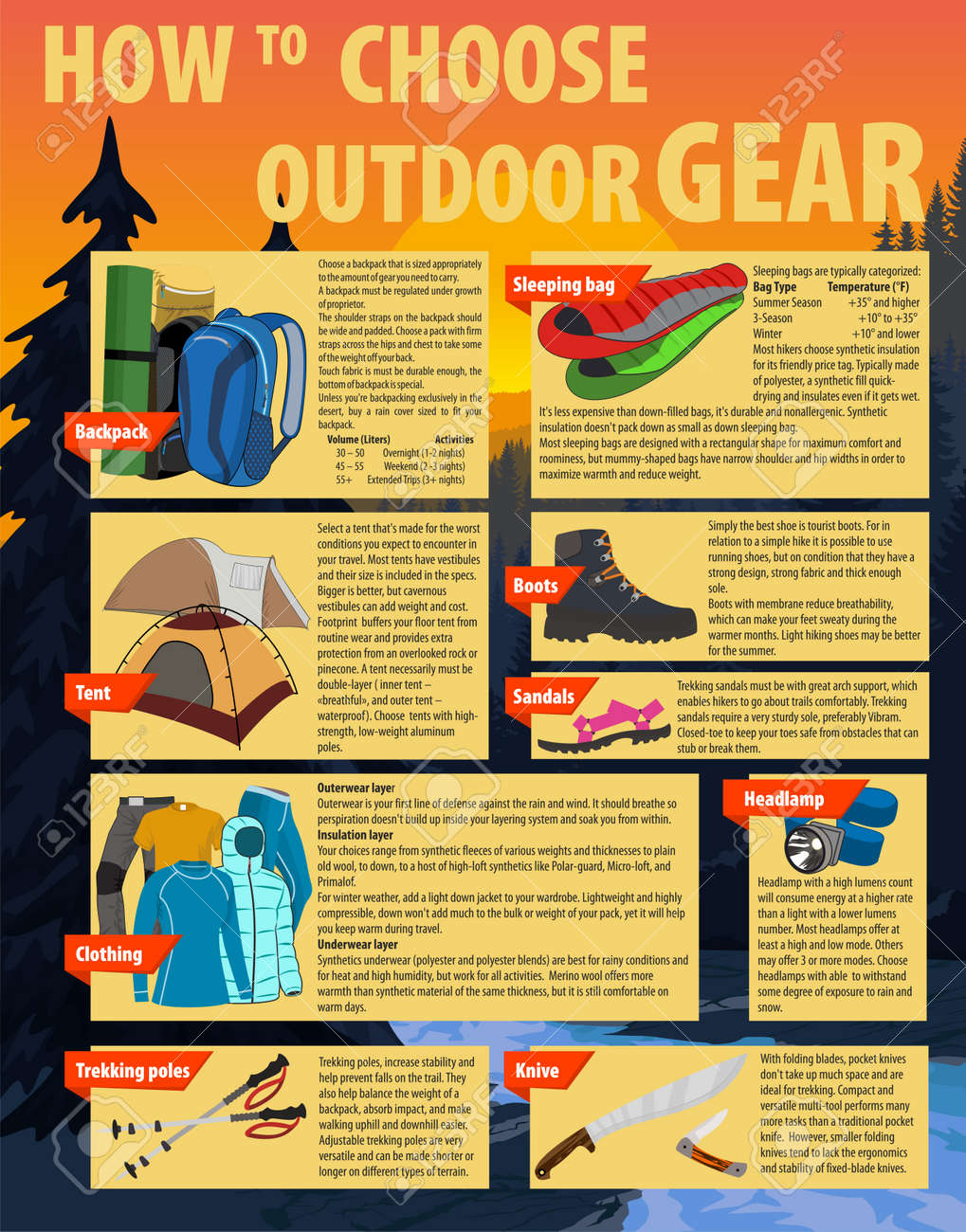
Waterproof Equipment List for Campers
There's absolutely nothing that ends an outdoor camping journey faster than a soaked resting bag or a camping tent that leaks at 2 a.m. Rainfall doesn't care about your plan, and neither does early morning dew, river spray, or the puddle you really did not see up until you stepped in it. The bright side is that remaining dry in the backcountry isn't made complex. It just takes the right equipment, packed and used appropriately. Right here's a complete run-through of what every camper ought to have before going out.
Shelter: Your First Line of Protection
A Really Waterproof Outdoor Tents
Not all camping tents marketed as "climate immune" can actually deal with continual rainfall. Look for a hydrostatic head rating of a minimum of 1,500 mm for the rainfly and 3,000 mm or greater for the flooring, since that's where pooling water and ground wetness do one of the most damages. Seams should be factory-taped, and it's worth inspecting them for wear prior to every journey, since seam tape deteriorates gradually.
An Impact or Ground Tarpaulin
Placing a footprint under your camping tent safeguards the flooring from abrasion and includes an added dampness obstacle. Make sure the tarp doesn't prolong past the outdoor tents's sides, or it will certainly collect rainwater and funnel it best beneath you.
Guylines and a Correct Pitch
Also the most effective outdoor tents fails if it's pitched improperly. Taut guylines and a well-staked rainfly maintain water from merging on the roof covering or seeping in at stress points. Practice pitching your tent at home so you're not stumbling with it in a downpour.
Sleep System: Staying Dry Where It Matters Many
A Dry Bag for Your Sleeping Bag
A wet sleeping bag is miserable and, in cold conditions, genuinely dangerous. Store your bag in a dedicated dry sack, not just the stuff sack it came with, and compress it after the journey so it dries out totally prior to your following trip.
A Water Resistant or Synthetic-Fill Resting Bag
Down insulation is cozy and light, yet it sheds mostly all its insulating power when damp. If you're camping someplace wet, think about a synthetic-fill bag or one with hydrophobic-treated down, which withstands dampness much better than neglected down.
A Sleeping Pad with a Waterproof Shell
Shielded pads with secured, water resistant exteriors camp chair keep ground moisture from permeating via and include a layer of convenience between you and a potentially damp tent flooring.
Garments: The Layer In between You and the Elements
A Hardshell Rain Coat
Seek a coat with a waterproof-breathable membrane and taped seams. Breathability matters as high as waterproofing, considering that a jacket that traps sweat will leave you equally as damp as one that leaks.
Rain Trousers
Usually forgotten, rainfall pants are vital if you're treking to your campsite or moving around in sustained rainfall. Select a couple with unabridged side zippers so you can put them on over boots without removing them.
Water-proof Boots and Bonus Socks
Damp feet cause sores and, in cold weather, enhance the threat of frostbite. Water resistant boots with a breathable membrane, coupled with woollen or synthetic socks, keep feet completely dry and manage temperature level even if boots do obtain damp within.
Gear Defense: Keeping Whatever Else Dry
Dry Bags for Your Load
A backpack rainfall cover assists, yet it won't quit water from leaking in through zippers and seams. Load vital things, like electronic devices, suits, and extra clothing, in private completely dry bags as a back-up.
A Water Resistant Stuff Sack for Fire-Starting Materials
Absolutely nothing is a lot more aggravating than a wet lighter or soggy suits when you require heat most. Keep a specialized waterproof container for suits, a lighter, and fire starter, and take into consideration packing a back-up ferro rod also.
A Tarpaulin for Communal Locations
A large tarp strung over your food preparation and celebration area provides you a completely dry room to prepare food and mingle, even in constant rain. It's a tiny addition that significantly boosts comfort on damp trips.
Last Thoughts
Staying completely dry while outdoor camping isn't about getting the most costly equipment on the market. It has to do with understanding where water enters, whether through a camping tent seam, a jacket zipper, or a pack that isn't fairly sealed, and resolving each of those points intentionally. Build your checklist around sanctuary, sleep system, garments, and gear security, and you'll prepare to deal with whatever the climate brings. A well-prepared camper doesn't simply endure the rain; they hardly notice it.